
The fundamental right to freedom of thought, conscience, and religion is a cornerstone of international human rights law.
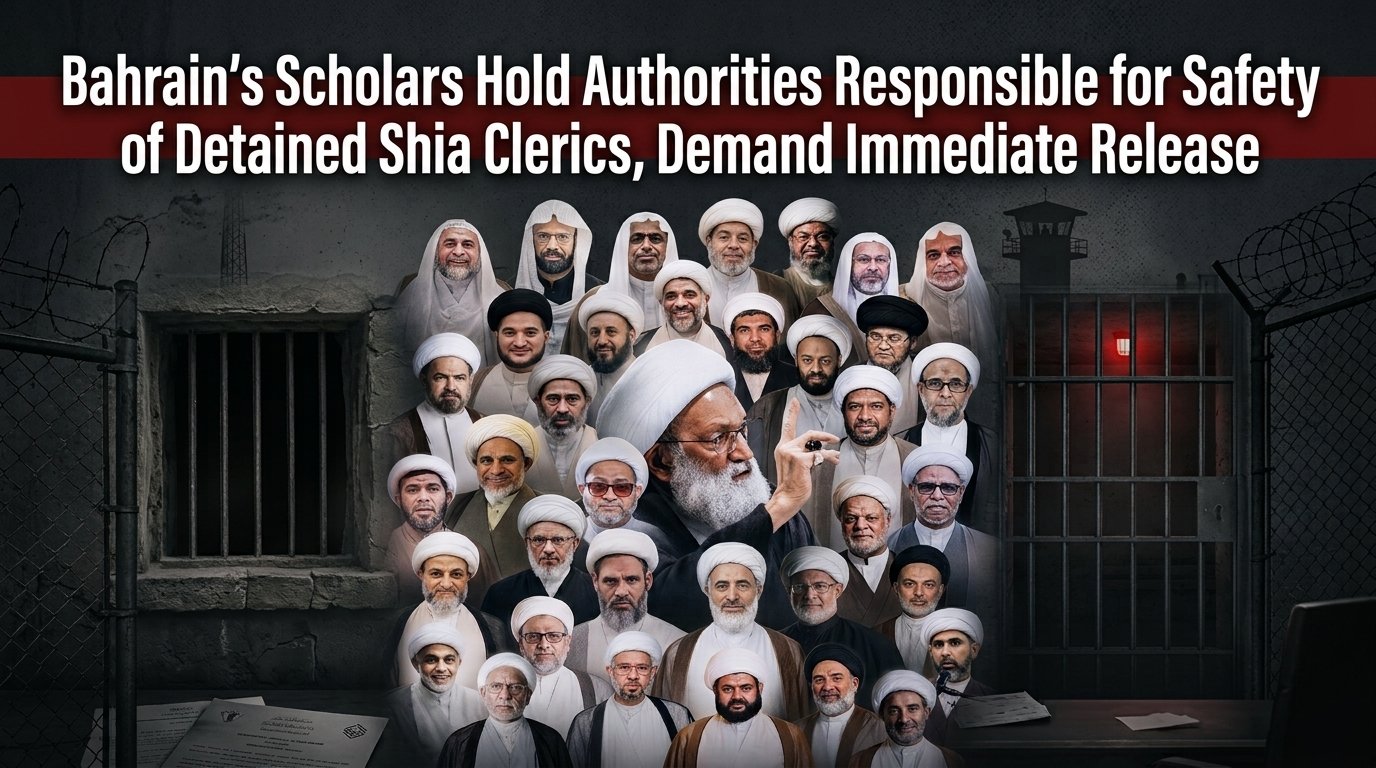
However, recent legal proceedings against religious scholars and community figures in Bahrain reveal a deeply concerning trend: the transformation of legitimate religious expression and peaceful dissent into punishable criminal offenses.
Through targeted prosecutions, the judicial system is increasingly utilized not as a tool for justice, but as an instrument of political and sectarian subjugation.
A critical examination of these trials exposes severe systemic and procedural violations that fundamentally undermine the right to a fair trial.
The judiciary frequently compromises its independence by aligning with state security narratives, effectively blurring the lines between peaceful theological discourse and criminal conduct.
This conflation according to
ALWEFAQ
is often manifested through pre-emptive terrorism charges leveled against scholars before any thorough or transparent judicial adjudication has taken place.
Furthermore, the regime routinely infringes upon essential legal safeguards.
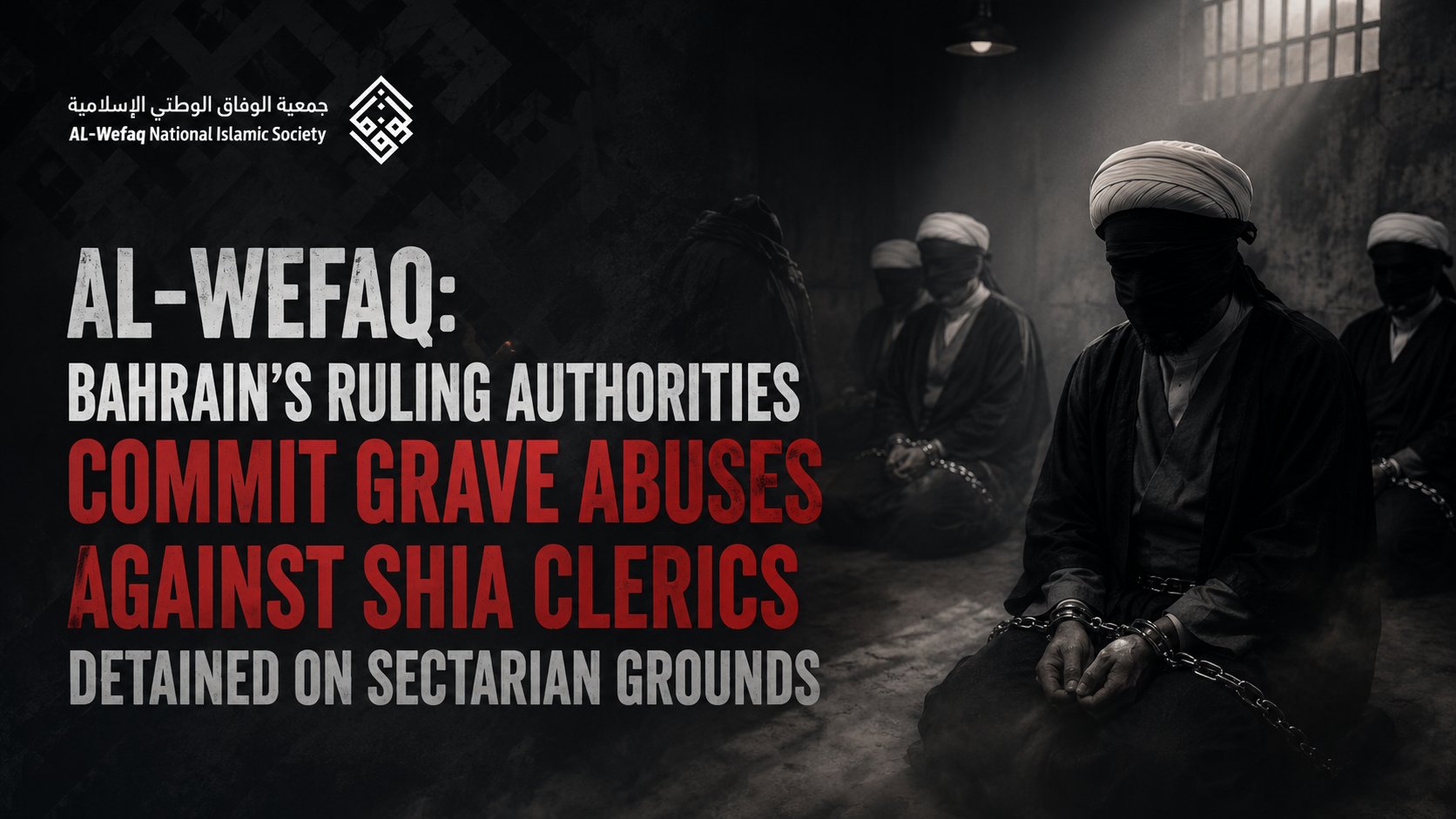
Defendants face prolonged incommunicado detention, exposing them to a heightened risk of torture and coercive interrogation tactics designed to extract confessions.
Simultaneously, systemic barriers prevent adequate legal representation, directly violating the right to a robust defense.
By allowing pre-conceived political bias to dictate judicial outcomes, the courts actively dismantle the presumption of innocence.
These practices do not merely target individuals; they aim to suppress institutional religious autonomy and silence critical communal voices.
To prevent the complete erosion of the rule of law, international oversight bodies and human rights organizations must urgently demand that the Bahraini authorities halt these politically motivated prosecutions, uphold international fair trial standards, and decouple freedom of belief from national security framework parameters.