
Bahrain’s opposition society,
ALWEFAQ
National Islamic Society, says the country’s Shiite majority has been deprived of its central Friday prayers for one year and nine months, describing the measure as part of a broader campaign targeting Shiite religious identity and institutions.
In a statement, Al-Wefaq said that the authorities have prevented worshippers from holding Friday prayers at Imam Al-Sadiq Mosque in the village of Diraz since October 2024.
The mosque traditionally hosted thousands of worshippers who traveled from across Bahrain each week to attend the congregation.
According to the society, the suspension began after security authorities arrested the mosque’s Friday prayer leader (now detained), Sheikh Ali Al-Siddiqi, following a sermon in which he mourned the late Hezbollah Secretary-General Hassan Nasrallah and condemned Israeli military operations in Gaza and Lebanon.
Although the cleric was later released, Al-Wefaq said the weekly prayers have never resumed.
"Bahrain's Shiite community has remained without its principal Friday prayer for one year and nine months, following the authorities' decision to halt the congregation by force."
The statement further alleged that security forces imposed a weekly security cordon around Diraz in the weeks following the ban, using force and tear gas to disperse worshippers and prevent them from reaching the mosque.
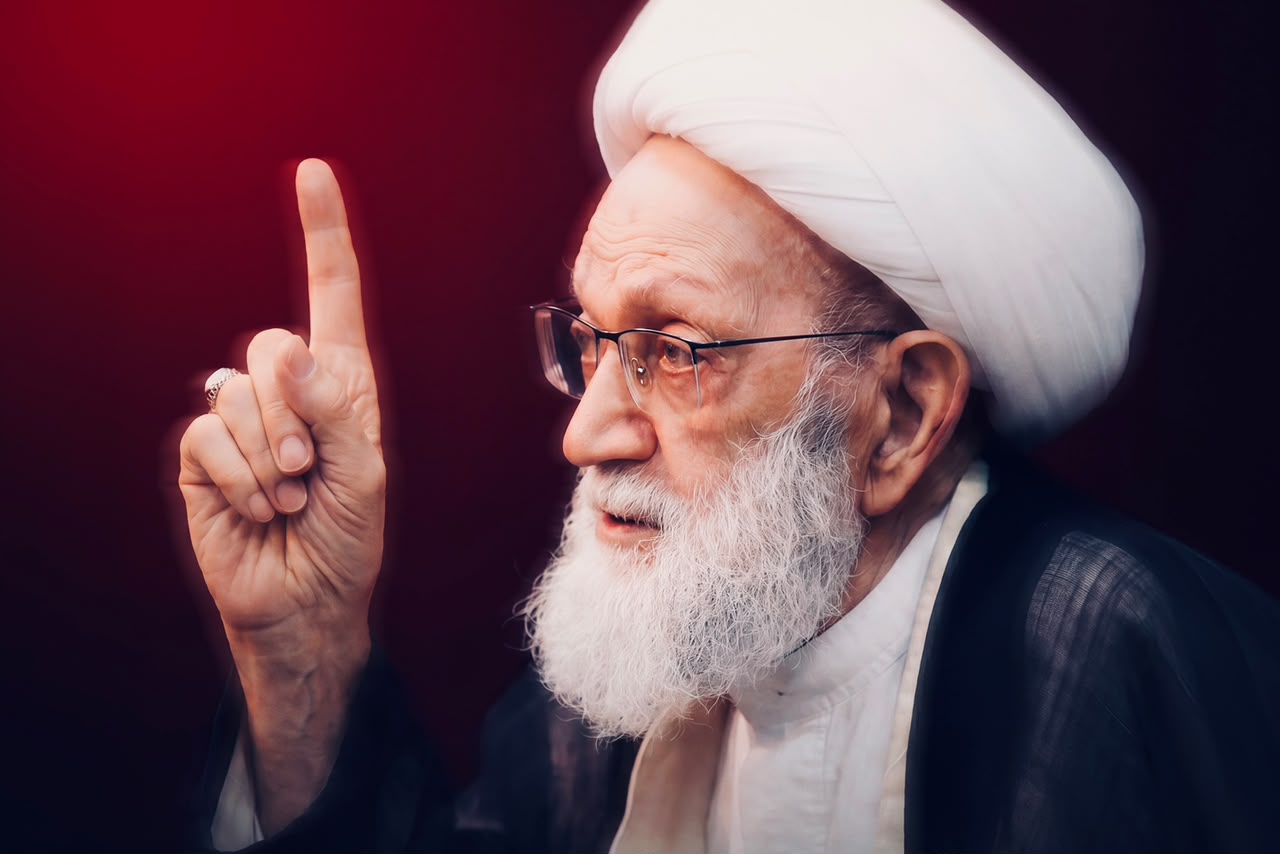
Al-Wefaq also recalled comments made at the time by Grand
AyatollahQassim
, who described the campaign against Friday prayers as "a weekly war against the mosque and prayer carried out on behalf of the Zionists," arguing that it served the interests of Israeli Prime Minister Benjamin Netanyahu.
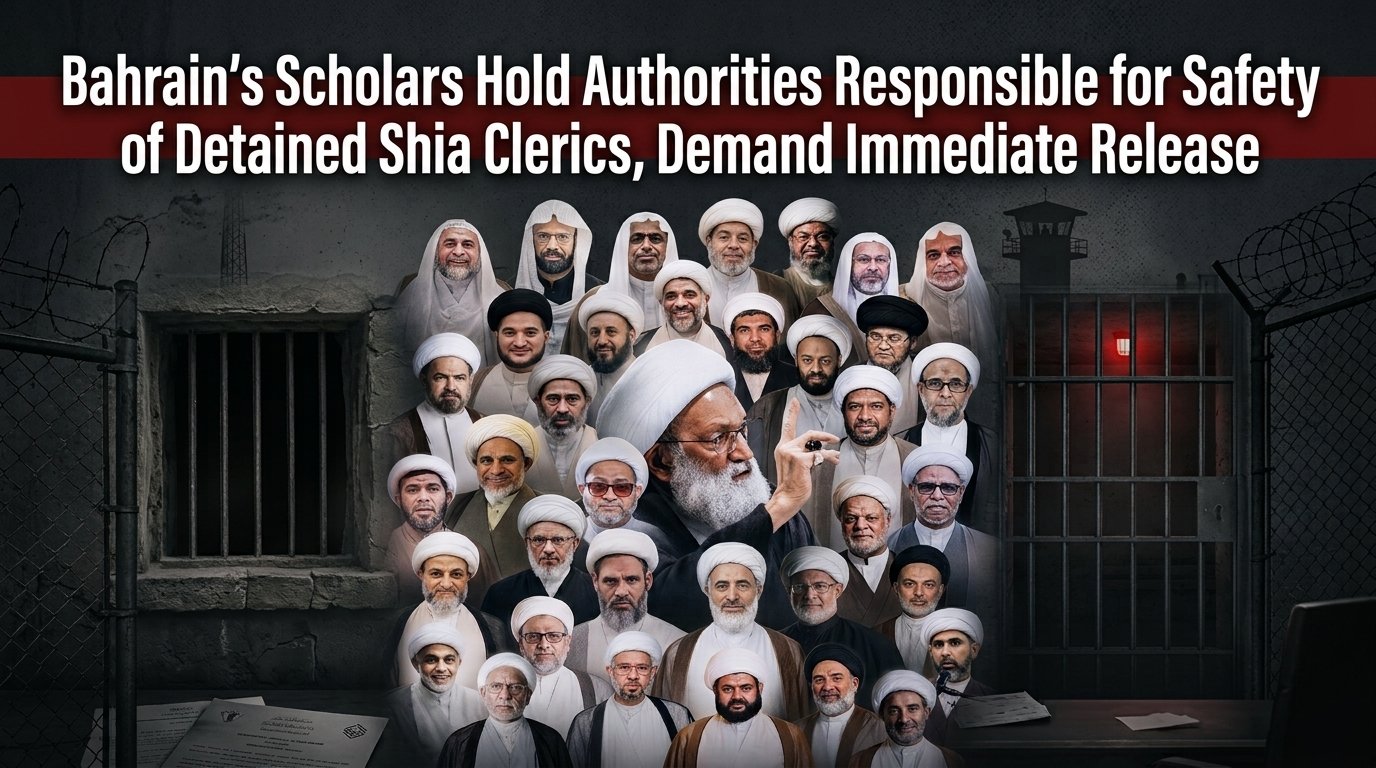
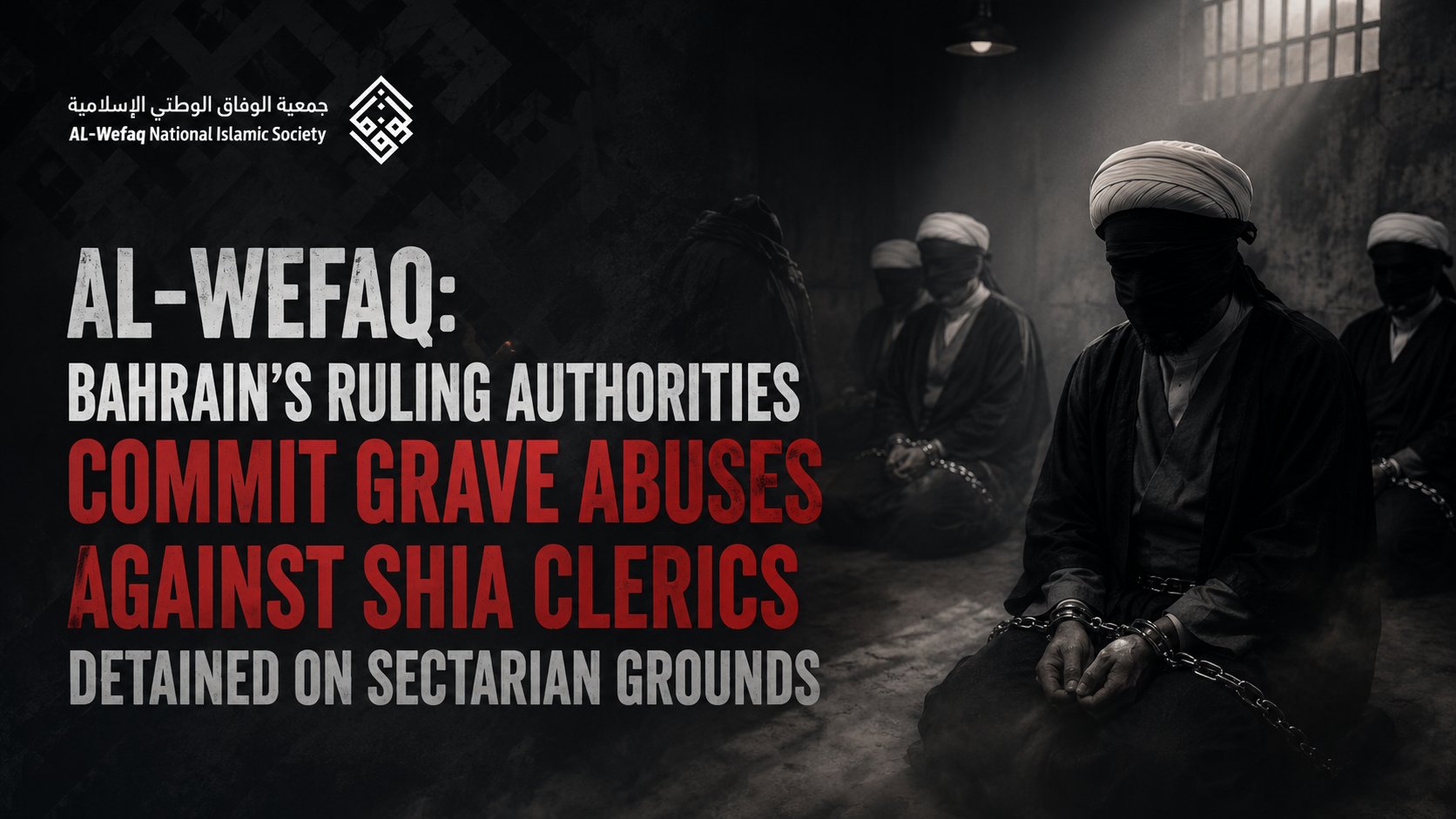
The opposition group linked the suspension of Friday prayers to what it described as a wider escalation against Shiite religious leaders. It said Bahraini authorities have arrested 41 Shiite clerics, including three leading Friday prayer imams and several mosque prayer leaders, following the outbreak of the Iran-Israel conflict in 2026.
"The prohibition of Friday prayers is not an isolated measure but part of an expanding campaign targeting Shiite scholars, religious institutions, and fundamental acts of worship."
Al-Wefaq argued that Bahrain is witnessing an unprecedented wave of sectarian restrictions affecting Shiite religious life.
According to the statement, the campaign extends beyond the closure of Friday prayers to include arrests of senior clerics and seminary teachers, pressure on Jaafari religious endowments, restrictions on mourning halls and Ashura processions, as well as citizenship revocations.
The society concluded that these measures constitute one of the most severe periods of religious persecution experienced by Bahrain's Shiite community in recent years, calling for an end to policies that restrict religious freedoms and collective worship.